
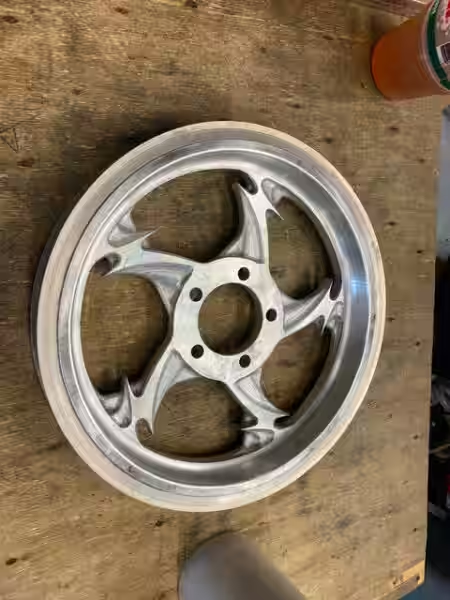
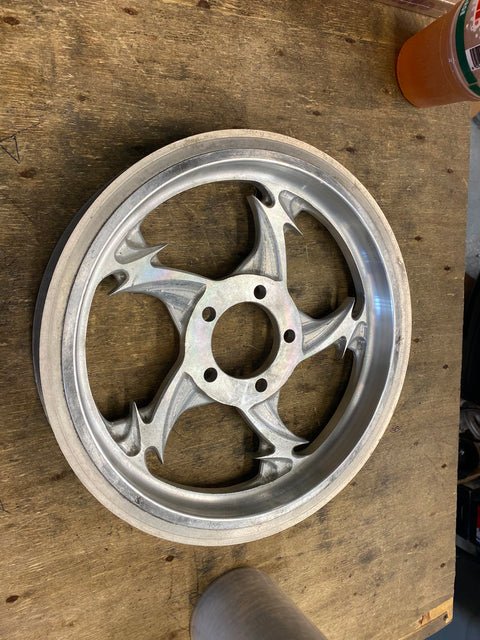
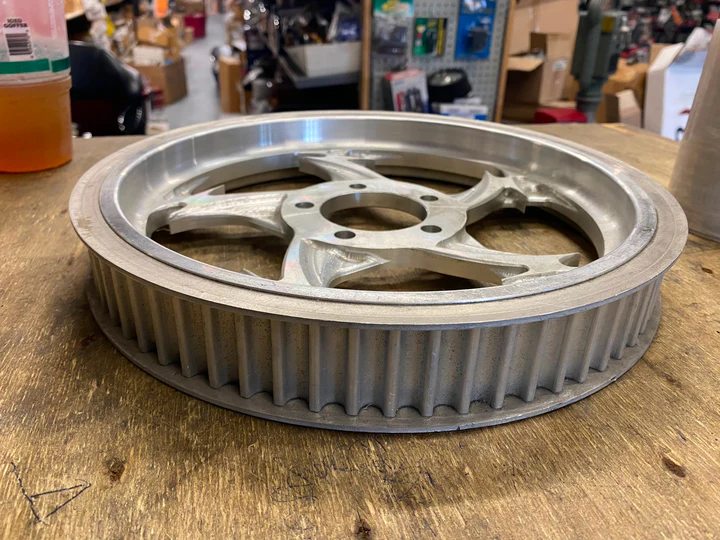
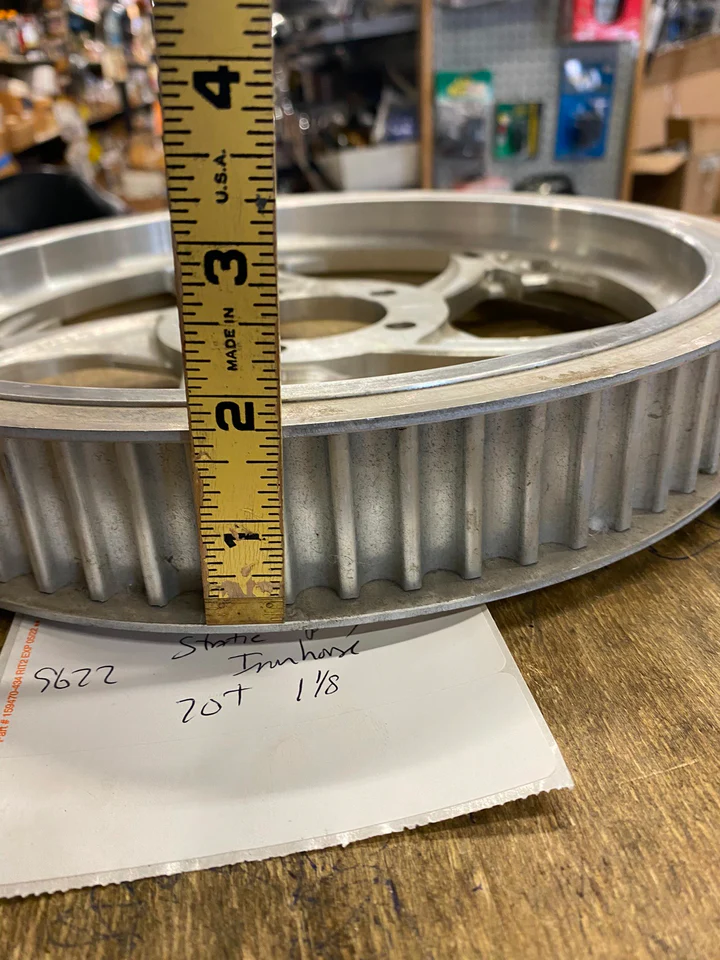
harley rear belt pulley 70 tooth for Sale
Looking for a Harley 70 tooth rear pulley for sale? Start by confirming the exact specifications required for your motorcycle. Sugar Bear springer front end
A 70-tooth pulley should be selected based on the complete drivetrain configuration rather than tooth count alone.
Before ordering, check:
- Motorcycle model
- Model year
- Rear pulley tooth count
- Belt width
- Pulley diameter
- Pulley offset
- Mounting bolt pattern
- Center bore
- Rear wheel compatibility
- Belt compatibility
- Brake rotor configuration where applicable
- Manufacturer fitment information
If you are replacing an original pulley, comparing the specifications of your existing component with the replacement can be a useful first step. harley rear belt pulley 70 tooth Chopper Frames for sale
Why Choose a 70 Tooth Harley Rear Belt Pulley?
A rear pulley is a critical part of a Harley belt-drive system. Selecting the correct tooth count allows the pulley to work with the motorcycle’s overall final-drive configuration.
A 70 tooth Harley rear belt pulley may be considered for certain replacement and custom applications where its specifications match the motorcycle’s drivetrain.
Potential reasons for purchasing a replacement pulley include:
- Replacing a worn rear pulley
- Updating a damaged component
- Completing a custom wheel build
- Matching a specific drivetrain configuration
- Restoring a motorcycle
- Replacing an existing pulley with the same specification
- Completing a custom Harley project
The correct pulley should always be selected according to the motorcycle and drivetrain specifications. Black Dyna Tank
What Does a harley rear belt pulley 70 tooth Do?
The rear belt pulley works together with the transmission pulley and drive belt.
As the transmission pulley rotates, the belt transfers that rotation to the rear pulley, which turns the rear wheel.
The number of teeth on the front and rear pulleys contributes to the motorcycle’s final-drive ratio.
A simplified relationship is:
Final-drive ratio = rear pulley teeth ÷ front pulley teeth
For example, if a drivetrain used a 70-tooth rear pulley and a 32-tooth front pulley, the ratio would be approximately 2.19:1.
However, changing pulley sizes can affect the motorcycle’s gearing and operating characteristics. Any gearing change should be evaluated against the complete drivetrain and intended use. Orig Frame Harley 1948 Panhead Wishbone Uncut Factory VTG OEM Stock
Harley Rear Belt Pulley Tooth Count
Tooth count is one of the most important specifications when purchasing a replacement pulley.
Common Harley rear pulley configurations can vary depending on the motorcycle and application.
A 70 tooth rear pulley should not be assumed to fit every Harley simply because the tooth count matches.
Other specifications are equally important.
Check:
Tooth count:
70 teeth
Belt width:
Must match the drive belt.
Mounting pattern:
Must match the rear wheel or hub.
Offset:
Must provide proper belt alignment.
Center bore:
Must match the hub or mounting configuration.
Pulley diameter:
Must provide appropriate clearance. black 14 inch prewired harley handlebars
harley rear belt pulley 70 tooth and Belt Compatibility
The pulley and drive belt must work together.
A pulley with the correct number of teeth can still be incompatible if the belt width or tooth profile doesn’t match.
Before ordering, verify:
- Belt width
- Belt tooth profile
- Belt pitch
- Pulley tooth profile
- Pulley construction
- Manufacturer specifications
Do not select a pulley based solely on the number of teeth. 10 inch chrome prewired handlebars
Harley Rear Pulley Belt Alignment
Proper belt alignment is essential.
The front pulley, rear pulley, and drive belt should operate in the correct alignment throughout the drivetrain.
Incorrect alignment can contribute to:
- Uneven belt wear
- Excessive noise
- Belt tracking problems
- Premature component wear
- Drivetrain issues
When installing a replacement rear pulley, verify that the pulley offset and mounting configuration match the motorcycle. harley rear belt pulley 70 tooth NOS OEM Speedometer Harley Tour Glide FLT FLH 85mph 67232-80 Gauge Speedo Meter
harley rear belt pulley 70 toothfor Custom Builds
A rear belt pulley can also be an important component of a custom Harley build.
Custom builders may replace the factory rear wheel and pulley arrangement when installing:
- Custom wheels
- Larger rear wheels
- Aftermarket hubs
- Custom swingarms
- Custom brake systems
- Performance components
When changing multiple components at once, verify that the wheel, pulley, belt, brake, and hub configuration work together. harley rear belt pulley 70 tooth Chrome spokes wheels and white walls tires
70 Tooth Rear Pulley for Harley Custom Wheels
Installing a custom rear wheel may require careful attention to pulley compatibility.
Before purchasing a 70 tooth Harley rear pulley for a custom wheel, verify:
- Hub design
- Pulley bolt pattern
- Center bore
- Pulley offset
- Belt width
- Brake rotor location
- Wheel clearance
A wheel that looks compatible may still require different spacers, hardware, or pulley specifications.
Always follow the wheel and pulley manufacturer’s fitment requirements. NOS Norton Speedometer Guage OEM Smiths Commando Fastback Factory SSM-3001/02A
Black harley rear belt pulley 70 tooth
For a modern or blacked-out motorcycle, a black Harley rear belt pulley can complement the rest of the build.
Black pulley finishes work particularly well with:
- Black wheels
- Black belt guards
- Black swingarms
- Black exhaust
- Black frame components
- Black brake components
A black finish can provide a cleaner, more integrated appearance on a modern custom Harley. LA CHOPPERS -1/4″ Twin Peaks Touring Handlebar 12″ ROAD GLIDE BLACK
Chrome Harley 70 Tooth Rear Pulley
For traditional Harley builds, chrome can provide a bright custom appearance.
A chrome rear pulley can complement:
- Chrome wheels
- Chrome exhaust
- Chrome handlebars
- Chrome engine components
- Chrome controls
If you’re building a classic Harley, a bright-finish pulley can help coordinate the rear drivetrain with the rest of the motorcycle. harley rear belt pulley 70 tooth Springer Front End
harley rear belt pulley 70 tooth Replacement
A rear pulley may need replacement because of normal wear, damage, corrosion, or a custom drivetrain conversion.
Signs that a pulley should be inspected include:
- Damaged pulley teeth
- Excessive wear
- Corrosion
- Unusual belt tracking
- Abnormal belt noise
- Visible pulley damage
- Loose or damaged mounting hardware
The pulley should be inspected alongside the drive belt and other final-drive components.
Replacing a worn pulley without inspecting the belt may leave an existing drivetrain problem unresolved. harley rear belt pulley 70 tooth LA Choppers 1-1/4 Touring Ape Hanger Handlebar Touring STreet Glide Black FLH
How to Choose a Harley Rear Belt Pulley
Before clicking Buy, use this checklist.
1. Confirm the Motorcycle
Identify the exact Harley model and year.
2. Check the Existing Pulley
If you’re replacing an existing pulley, record its:
- Tooth count
- Width
- Diameter
- Offset
- Mounting pattern
3. Check the Belt
Confirm the drive belt specifications.
4. Check the Rear Wheel
Make sure the pulley mounting configuration matches the rear wheel or hub.
5. Check Brake Clearance
Verify that the pulley doesn’t interfere with the brake system.
6. Confirm Offset
Correct offset is important for proper belt alignment.
7. Verify Manufacturer Fitment
Always compare your motorcycle’s specifications with the product’s fitment information before purchasing.
harley rear belt pulley 70 tooth Fitment
Fitment is one of the most important considerations when buying a replacement Harley pulley.
A pulley can have the correct 70-tooth count and still fail to fit because of differences in:
- Model year
- Belt width
- Hub design
- Bolt pattern
- Offset
- Center bore
- Wheel configuration
For this reason, 70 tooth should be treated as one specification—not the complete fitment description.
If your motorcycle information isn’t listed in the product specifications, contact the seller before ordering.
Installation Considerations for harley rear belt pulley 70 tooth
Installing a rear belt pulley requires careful attention to the final-drive system.
A typical replacement may involve:
- Supporting the motorcycle securely.
- Removing the rear wheel according to the service procedure.
- Removing the existing pulley.
- Inspecting mounting hardware.
- Inspecting the rear wheel and hub.
- Installing the replacement pulley.
- Confirming pulley alignment.
- Reinstalling the rear wheel.
- Installing and adjusting the drive belt.
- Checking belt tracking.
- Checking brake clearance.
- Verifying all fasteners according to manufacturer specifications.
- Performing a careful inspection before riding.
Because the rear pulley is part of the motorcycle’s power-transfer system, installation should be performed by someone familiar with Harley-Davidson drivetrain components. harley rear belt pulley 70 tooth Step Seat White Diamond Stich Harley Dyna 2006^ FXD Street Bob Superglide fxdl

Reviews
There are no reviews yet.